Why Travelers Need Reusable Bags
Travel presents unique challenges, but packable foldable totes and heavy-duty cotton string bags solve this for eco-conscious shoppers. You’re in unfamiliar places, buying local produce at markets, picking up souvenirs, carrying snacks for the flight — and you probably don’t want to take up precious luggage space with bulky bags.
The solution: packable reusable bags that fold small, weigh almost nothing, and can handle everything from a farmers market in Tuscany to a 7-Eleven run in Tokyo.
What Makes a Good Travel Reusable Bag?
- Packs small: Folds into a built-in pouch or compresses to the size of a tennis ball
- Lightweight: Under 50g (1.7 oz) — you won’t notice it in your bag
- Durable: Travel means rough handling; needs to survive being stuffed in a backpack
- Quick-drying: You’ll wash it in a hotel sink — it needs to dry fast
- Versatile: Works as a grocery bag, laundry bag, beach bag, and daypack
Best Bag Types for Travel
1. Packable RPET Shopping Bags
Best for: All-around travel use — grocery runs, souvenir shopping, laundry
RPET (recycled polyester) bags that fold into a small attached pouch are the gold standard for travel. They weigh 30–50g, pack down to the size of a kiwi fruit, and can hold 15–25 lbs of weight. The fabric is water-resistant, quick-drying, and surprisingly strong.
What to look for: Stitched (not heat-bonded) seams, reinforced handles, and a pouch that attaches to the bag itself (not a separate pouch you’ll lose).
2. String Bags (Cotton Mesh)
Best for: Beach days, farmers markets, lightweight carrying
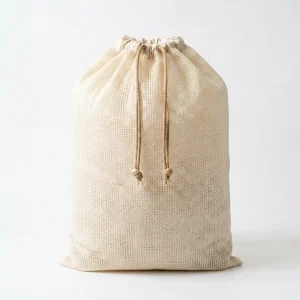
Traditional cotton string bags are a traveler’s secret weapon. They stretch to hold oddly shaped items (a pineapple, a loaf of bread, a snorkel mask), pack into almost nothing, and weigh under 30g. The open mesh design means sand and water don’t get trapped — perfect for the beach.
3. Foldable Cotton Totes
Best for: Day trips, shopping in cities, carrying a jacket or scarf
A thin cotton tote that folds flat takes up almost no space and doubles as a day bag. Look for one with long handles (fits over the shoulder) and a reinforced bottom. Not as strong as RPET for heavy loads, but more versatile as an everyday carry.
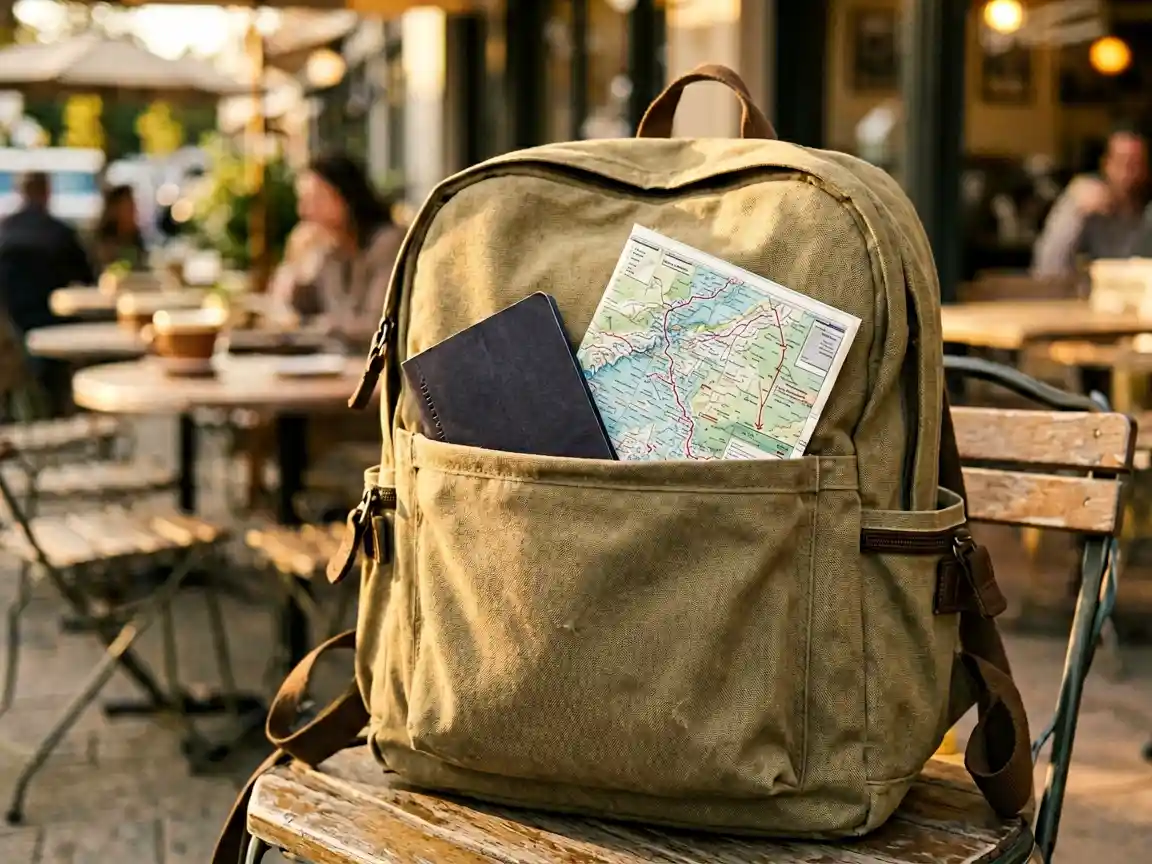
How to Pack Reusable Bags for Travel
The key is distribution — don’t keep all your bags in one place:
- 1 in your personal item (backpack or purse) — for spontaneous shopping at airports or train stations
- 1 in your checked luggage — for grocery runs and souvenir hauling at your destination
- 1 in your daypack — for daily excursions and market visits
- 2–3 nested inside each other — take up almost no space, cover every scenario
Travel Scenarios: Which Bag to Use
| Scenario | Best Bag Type | Why |
|---|---|---|
| Airport souvenir shopping | Packable RPET tote | Fits in carry-on, holds heavy items |
| Local produce market | String bag + RPET tote | String bag for produce, tote for heavy items |
| Beach day | String bag | Sand falls through, dries instantly |
| Laundry (hotel sink wash) | Cotton tote | Holds dirty clothes, easy to wash |
| Grocery run at destination | RPET grocery bag set | Multiple bags for a full shop |
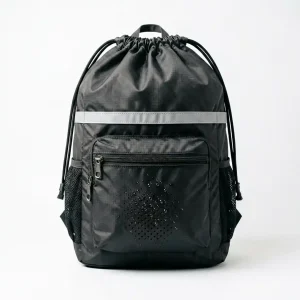
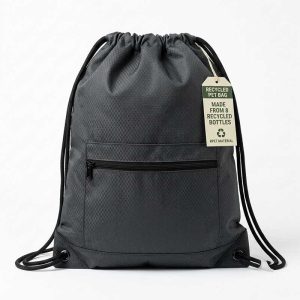
| Day hike / picnic | Canvas drawstring bag | Hands-free, holds lunch + water |
Pro Tip: The “Nesting” Method
Don’t travel with individual loose bags — they’ll get lost in your luggage. Instead:
- Take your smallest bag (the foldable RPET pouch)
- Stuff it inside your medium string bag
- Stuff both inside your largest cotton tote
- Fold the tote flat — all 3 bags become a flat rectangle the size of a paperback book
This way, you always have the right size bag for the job, and they take up minimal luggage space.
The Bottom Line for Travelers
The best travel reusable bag is the one you actually bring with you. A high-quality packable bag that lives permanently in your travel backpack or carry-on is worth its weight in gold. It saves you from buying single-use bags at your destination, helps you carry local finds, and reduces your plastic footprint wherever you roam.
Ready to pack? Pair this with habit tips, our heavy-duty guide, and the bag size & capacity guide. Pair this with habit-building tips and our heavy-duty buying guide. Shop packable travel bags →