Why Bag Size Actually Matters
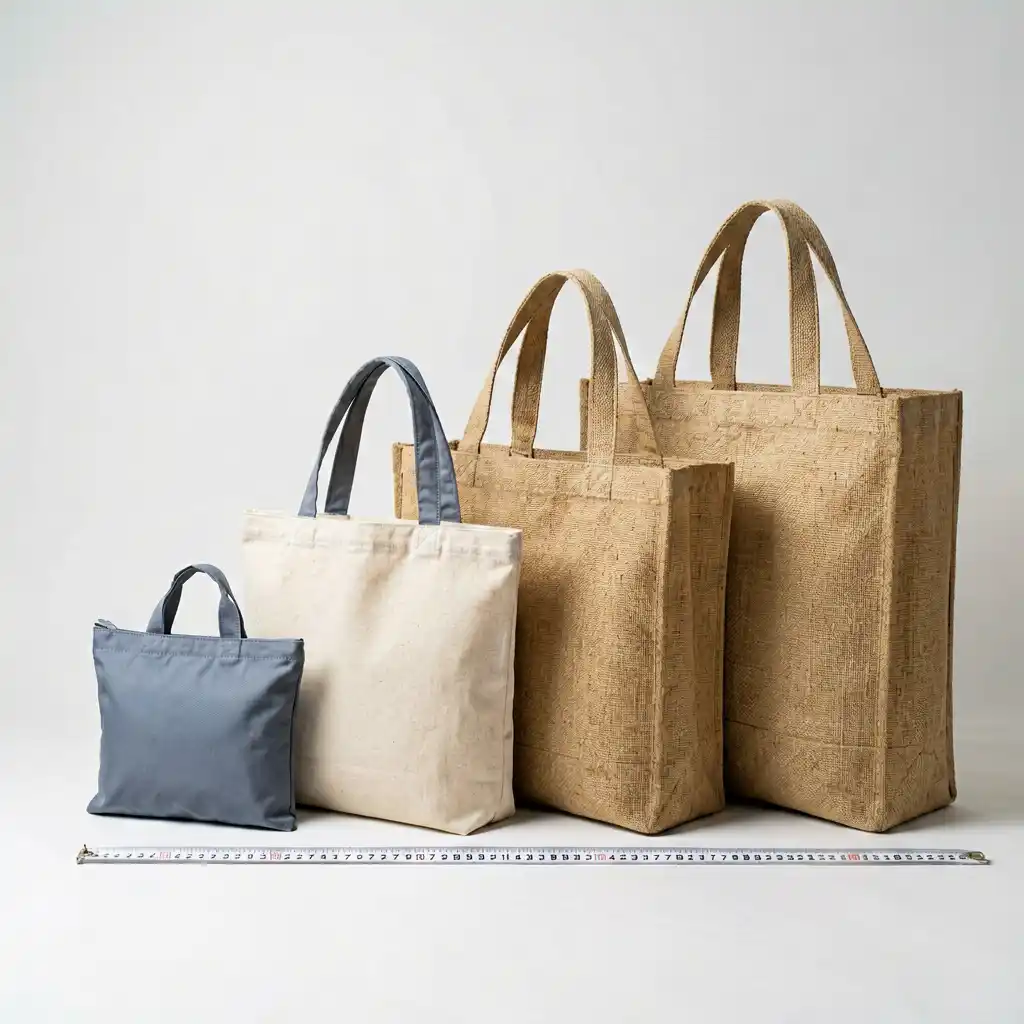
Buying the wrong capacity is the most common reusable-bag mistake: too small and it is useless, too large and it is bulky and ignored. Understanding litres and matching them to the task is the fastest way to get a bag that gets used. This guide gives a capacity cheat sheet for the four main scenarios. The search phrase reusable bag size is a practical buying question, and readers want a number, not philosophy.
The cost of a wrong size is not just money; it is adoption. A bag that is awkward to carry stays at home, and a bag that stays at home is worse than no bag because it represents wasted material and a broken intention. Size correctly and the bag becomes a daily habit.
Understanding Capacity Units
Bag volume is measured in litres (L). A standard grocery trip needs roughly fifteen to thirty litres; a daily commute pouch is two to five litres. Capacity is not the same as load weight, so a twenty-litre tote rated for ten kilograms beats a thirty-litre flimsy one rated for three. Always check both numbers before buying in bulk.
A common error is buying a forty-litre bag for a daily commute; it is empty and awkward nine days out of ten, so it stays home. Match the bag to the modal trip, not the occasional big one, and keep a separate large bag for the rare haul.
Size by Use Case
| Scenario | Recommended Capacity | Bag Type | Load Rating |
|---|---|---|---|
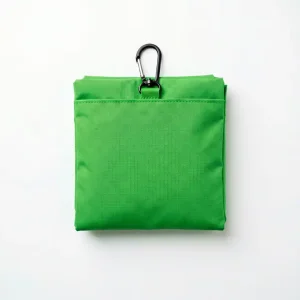
| Daily commute | 5–10L | Foldable pouch | 3–5kg |
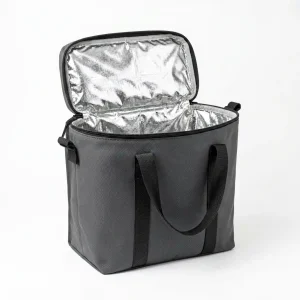
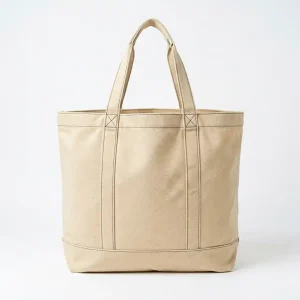
| Weekly grocery | 20–30L | Jumbo tote | 20–30kg |
| Travel / carry-on | 15–25L | Packable nylon | 8–12kg |
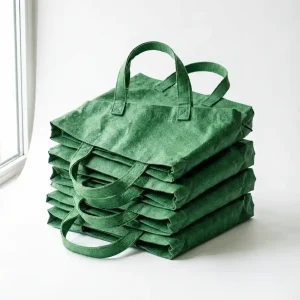
| Bulk haul | 40L+ | Woven shopper | 40kg+ |
Folding & Storage
A bag you cannot stash gets left at home. Foldable nylon totes compress to palm size; pocket travel totes live in a purse or glovebox. Keep one folded bag everywhere you might need it. The habit of always carrying a folded bag is the single biggest predictor of reusable-bag usage, bigger than material or price.
Store folded bags in the car door pocket, the daily backpack, and the coat you wear most often. Redundancy sounds wasteful but it is what makes the habit frictionless; the bag you have with you is the only one that counts at the checkout.
Material & Load Capacity
- Cotton canvas — 10–20kg, soft handle, washable.
- Woven PP — 30–50kg, rigid, great for bulk.
- Jute — 8–12kg, rustic, less water-resistant.
- RPET — 10–15kg, recycled, print-friendly.
For heavy loads, our 60lb jumbo grocery tote and grocery bag set cover most needs. See also the heavy-duty buying guide and travel bag guide.
Your Size Checklist
- Estimate typical load weight.
- Pick capacity one and a half times your volume need.
- Confirm it folds small enough to always carry.
- Match material to weather and use.
Reading a Spec Sheet
When sourcing in bulk, the spec sheet should list capacity in litres, load rating in kilograms, and fabric weight in grams per square meter. A twenty-litre bag at 120gsm cotton carries more than a twenty-five-litre bag at 80gsm. Do not compare bags on litres alone because gsm and stitch density determine real-world performance. Request a production sample and load-test it before committing.
Conclusion
Right-sized bags get used; wrong-sized bags get forgotten. For the material decision behind sizing, see paper vs reusable vs compostable.; wrong-sized bags get forgotten. Browse our sized range or contact our team for bulk sizing advice.