What Each Bag Actually Is
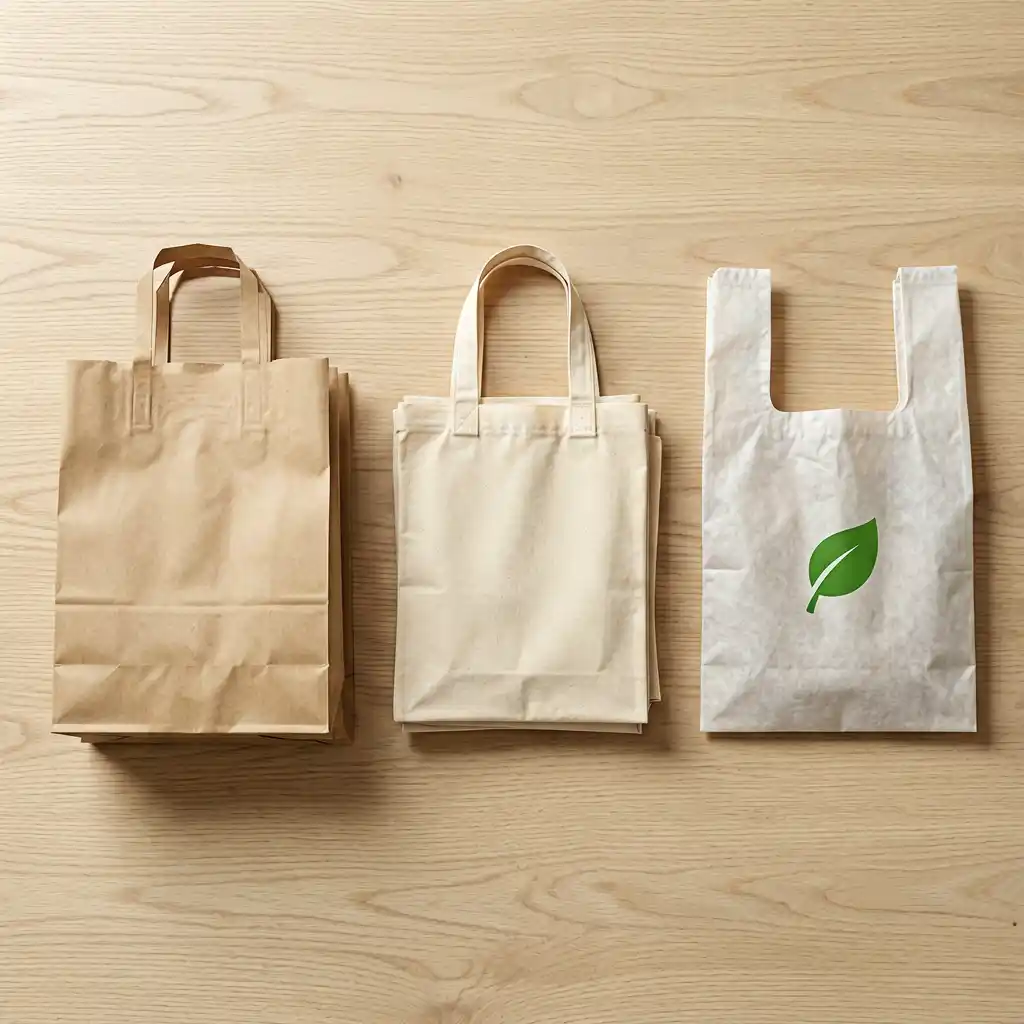
Before comparing, define the three contenders. Paper bags, kraft and SOS styles, are renewable and curbside-recyclable but single-use and weak when wet. Reusable bags, cotton, jute, PP, and RPET, are built for dozens to thousands of uses. Compostable bags, PLA and starch blends, break down in industrial composting but can contaminate paper recycling if mis-sorted. Your business choice should follow frequency of use, not fashion. The query paper vs reusable bags reflects a buyer who is genuinely unsure which claim to believe.
The terminology alone causes confusion. “Biodegradable” is not “compostable,” and “compostable” is not “home compostable.” A honest spec sheet states the exact end-of-life path, because that is the only claim a regulator or a skeptical customer can verify.
Cost Comparison
Paper looks cheap per unit but costs more per carry. A reusable cotton tote costs more upfront yet delivers the lowest cost-per-use after roughly ten trips. Compostable bags sit between, pricier than paper and cheaper than durable reusables, but single-use. When you model total spend over a year of one hundred carries, reusable wins by a wide margin even at premium material cost.
For a business, the calculation should also include brand value. A reusable bag printed with your logo is carried for a year and seen by hundreds of people; a paper bag is in the trash within an hour. The marketing math favors reusable for any customer you expect to see again.
Durability
Paper fails when loaded heavy or wet. Reusables survive weight and weather for years. Compostable bags are single-trip by design, strong enough for one use and then they degrade. A wet paper bag at the checkout is the canonical failure; a woven PP tote in the same rain shrugs it off and keeps the customer moving.
Environmental Impact (Lifecycle)
Paper’s footprint is in forestry and water use. Reusables’ footprint is in manufacturing but amortized across many uses. Compostable bags avoid plastic persistence but need proper composting infrastructure most cities lack. The honest answer to which is greenest is the one used most times; a reusable bag used twice is worse than a paper bag recycled.
This is why reuse-first hierarchies put “reuse what you have” above buying any new bag, even a compostable one. The lowest-impact bag is frequently the one already in the customer’s closet, and the second-lowest is a durable reusable they will actually keep.
Decision Table by Scenario
| Material | Unit Cost | Lifespan | Best Scenario |
|---|---|---|---|
| Kraft paper | $0.05–0.15 | 1 use | Takeout, light retail |
| Compostable | $0.10–0.30 | 1 use | Food waste, events |
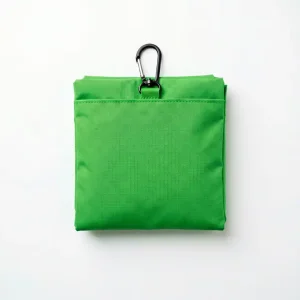
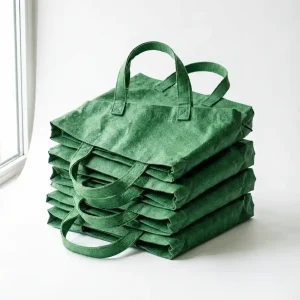
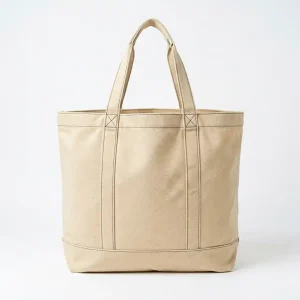
| Reusable cotton | $1–4 | 100+ uses | Grocery, branding |
| Reusable PP/RPET | $0.50–2 | 50+ uses | Promo, heavy loads |
Common Myths
- “Paper is always greener” — only if reused or recycled; most are trashed after one use.
- “Compostable equals backyard compost” — most need industrial facilities.
- “Reusable is too expensive” — cost-per-use beats paper after a few trips.
- “PLA is just plastic” — it is bio-based but still needs industrial composting, not the ocean.
For material deep-dives, see our non-woven vs woven vs RPET guide and gym/beach bag picks. non-woven vs woven vs RPET guide and cotton vs canvas vs jute.
Which Should Your Business Choose?
High-frequency carry equals reusable. Single event or food waste equals compostable. Light takeout with no reuse likely equals paper. Stock the right mix: kraft SOS bags, compostable paper bags, reusable grocery sets, and post-consumer recycled paper bags. Contact our team for a tailored mix.
A Note on Greenwashing
Claiming eco-friendly without specifying the end-of-life path invites regulatory scrutiny under emerging green-claims rules. Pair every bag claim with a disposal instruction: recycle this paper, compost industrially, or use one hundred plus times. That precision is what separates a defensible sustainability program from a fine, and it builds trust with increasingly skeptical buyers.