u/EcoProcurement_MGR asks in r/sustainability
Need bulk shopping bags for a chain of 50 stores. Can’t decide between non-woven PP, woven PP, RPET, or cotton. Which is most sustainable AND cost-effective? I’m trying to balance the sustainability marketing angle with the CFO’s budget constraints.
u/MaterialScientist_Eco (👍 51 points)
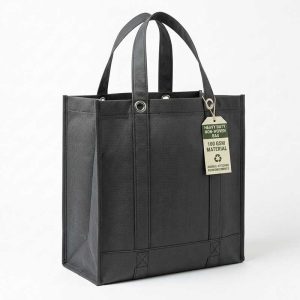
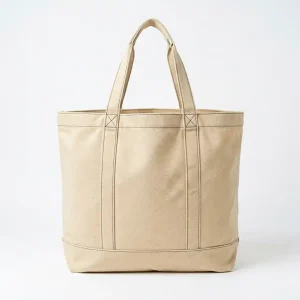
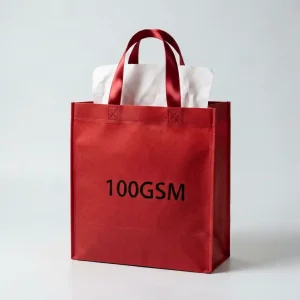
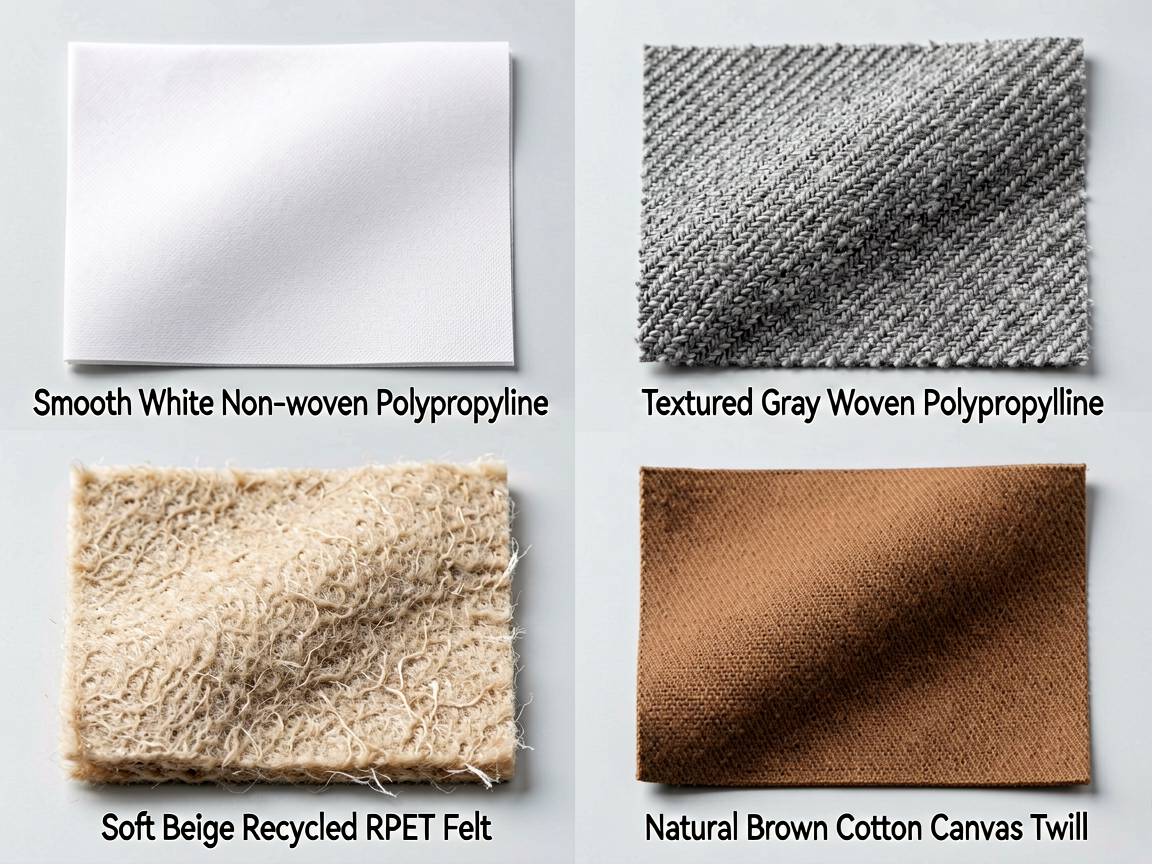
I literally research sustainable packaging materials for a living, so here’s the honest breakdown. Non-woven bags (polypropylene): lowest carbon footprint to manufacture, cheapest ($0.50-$0.80), but they’re single-use in practice because most people toss them after 10-15 uses. They’re recyclable in theory but most municipal recycling doesn’t accept them. Woven polypropylene bags: more durable (>50 uses typical), still cheap ($0.70-$1.00), slightly higher carbon footprint than non-woven. Good middle ground. RPET bags: made from recycled plastic bottles — great marketing story, 50-70% lower carbon than virgin PET, costs $0.90-$1.40. The recycling process itself uses energy though, so it’s not perfectly green. Cotton bags: highest durability (200+ uses), lowest environmental impact per use IF people actually use them that many times. Problem is cotton has the highest upfront water and land use — you need to reuse a cotton bag 131 times before it breaks even with a plastic bag on environmental impact per the Danish EPA study. For a 50-store chain I’d actually recommend woven PP as the best balance, or RPET if your brand needs the recycling story.
u/RetailChain_MGR (👍 36 points)
We’re a 30-store regional chain and went through this last year. Tested all four materials in 6 stores each over 3 months. Non-woven bags ($0.62 each): customers liked the price (we sold them for $0.99), but they wore out fast. Had complaints within 6 weeks about handles tearing. Woven PP ($0.85 each): sold for $1.49, customers loved them, almost zero complaints. Reorder rate was about 30% — meaning 30% of customers came back and bought another one. RPET ($1.10 each): sold for $1.99, our marketing team loved the Made from 5 recycled bottles angle. Sales were slower than woven PP but the PR value was real — got featured in a local sustainability article. Cotton ($1.80 each): sold for $3.99, fanciest option. Premium customers bought them, but volume was low. We ended up going with woven PP as our standard checkout bag and RPET as the premium option. If you want to check prices on all these, Y Eco Bag carries all four materials.
u/LogisticsGuru_HK (👍 25 points)
From a logistics perspective, here’s what nobody tells you. Non-woven bags are lightweight (25-35g each) — you can fit about 5000 in a cubic meter. Shipping cost per bag is minimal. Woven polypropylene bags are similar weight but fold flatter. RPET bags are heavier (40-60g), so shipping costs about 30% more per bag. Cotton is the heaviest (80-120g) — you’re looking at double the shipping cost of non-woven. For 50 stores ordering maybe 500 bags each = 25,000 bags. Non-woven ships for about $300-400 sea freight. Cotton would run $700-900 for the same quantity. That’s not a dealbreaker but it adds up. Also: woven PP and RPET resist moisture better than cotton during sea shipping — less risk of mildew in the container if there’s condensation.
u/ZeroWasteMom (👍 17 points)
I’m the customer in this equation. Please, PLEASE go with a bag that will actually last. I have way too many thin non-woven bags with ripped handles in my closet. The woven PP bags from my local grocery store? I’ve been using the same three for two years. They go through the washing machine fine (cold cycle, hang dry). The cotton ones are even better but at $3.99+ I won’t impulse buy them at checkout. Whatever you pick, make sure the bag has a bottom gusset so it stands up when loading groceries — that’s huge for usability and the main reason I reach for certain bags over others.
u/EcoCert_Inspector (👍 12 points)
I work for a sustainability certification body. If you’re making environmental claims about your bags, be precise and have documentation. If you claim “100% recycled,” you need the GRS (Global Recycled Standard) certificate for your supply chain. If you claim “compostable,” you need ASTM D6400 certification. The FTC has been actively enforcing Green Guides compliance — they fined several companies last year for misleading biodegradable claims on bags that weren’t actually biodegradable in real-world conditions. RPET bags with GRS certification are your safest bet for legitimate eco-marketing. Also, if you operate in California, check SB 270 compliance for any checkout bag program.
Key Takeaways for Procurement Managers
- Woven PP offers the best durability-to-cost ratio for retail chains ($0.70-$1.00/bag)
- RPET provides the strongest marketing angle with real environmental credentials ($0.90-$1.40)
- Cotton is the most durable but has the highest upfront environmental cost and shipping weight
- Verify all eco-claims with third-party certifications (GRS, ASTM) to avoid FTC greenwashing enforcement
- Test materials in a subset of stores before full chain rollout — customer feedback varies regionally
Read the Complete Eco-Friendly Bag Buying Guide →
Related Guides
Explore more B2B bag guides:
- Wholesale Reusable Bags
- Bulk Pricing Guide
- Custom Logo Guide
- Promo & Trade Show
- Supermarket Guide
- Restaurant Guide
- Corporate Gift Guide
- Wine Bag Guide
- Bag Laws Guide
Related reading: cotton vs canvas vs jute and paper vs reusable vs compostable. cotton vs canvas vs jute and custom logo guide.