The Great Material Debate
Walk into any eco-friendly store and you’ll see organic cotton canvas totes next to RPET recycled bags (or scroll through r/BuyItForLife on Reddit) and you’ll find passionate advocates for every bag material. Cotton lovers swear by the feel. Canvas fans praise the durability. Jute enthusiasts love the rustic look. RPET supporters tout the recycling story.
So who’s right? All of them — for different reasons. The best material depends entirely on how you plan to use the bag. Here’s a complete breakdown.
The 4 Contenders at a Glance
| Factor | Cotton (Standard) | Canvas | Jute | RPET |
|---|---|---|---|---|
| Durability | ⭐⭐⭐ (3-5 yrs) | ⭐⭐⭐⭐⭐ (5-8 yrs) | ⭐⭐⭐ (3-5 yrs) | ⭐⭐⭐⭐ (4-6 yrs) |
| Weight Capacity | 15-20 lbs | 30-50 lbs | 20-25 lbs | 25-40 lbs |
| Weight of Bag | Light (~4 oz) | Heavy (8-12 oz) | Medium (6-8 oz) | Light (~3 oz) |
| Water Resistance | ❌ Low | ❌ Low | ❌ Low | ✅ High |
| Biodegradable | ✅ Yes (1-5 mo) | ✅ Yes (4-8 mo) | ✅ Yes (1-3 mo) | ❌ No |
| Eco Score* | ?? Moderate | ?? Good | ??? Excellent | ?? Good |
| Cost per Bag | $3-8 | $6-15 | $4-12 | $4-10 |
| Best For | Everyday totes | Heavy daily use | Gifts, rustic style | Groceries, travel |
* Eco Score considers water usage, carbon footprint, biodegradability, and chemical inputs during production.
Cotton — The Everyday Classic
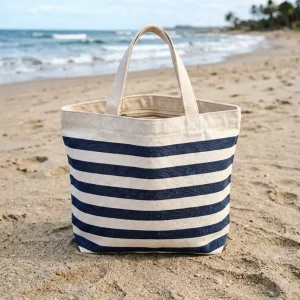
What it is: Standard woven cotton fabric — soft, breathable, and natural. The most common material for reusable tote bags.
Pros: Softens with use, good print surface for branding, biodegradable, affordable, widely available
Cons: High water footprint in farming, shrinks in hot water, stains easily, lower weight capacity than canvas
Best for: Everyday carry, branded promotional bags, light shopping, library totes
Not ideal for: Heavy groceries, wet items, long-term durability without reinforcement
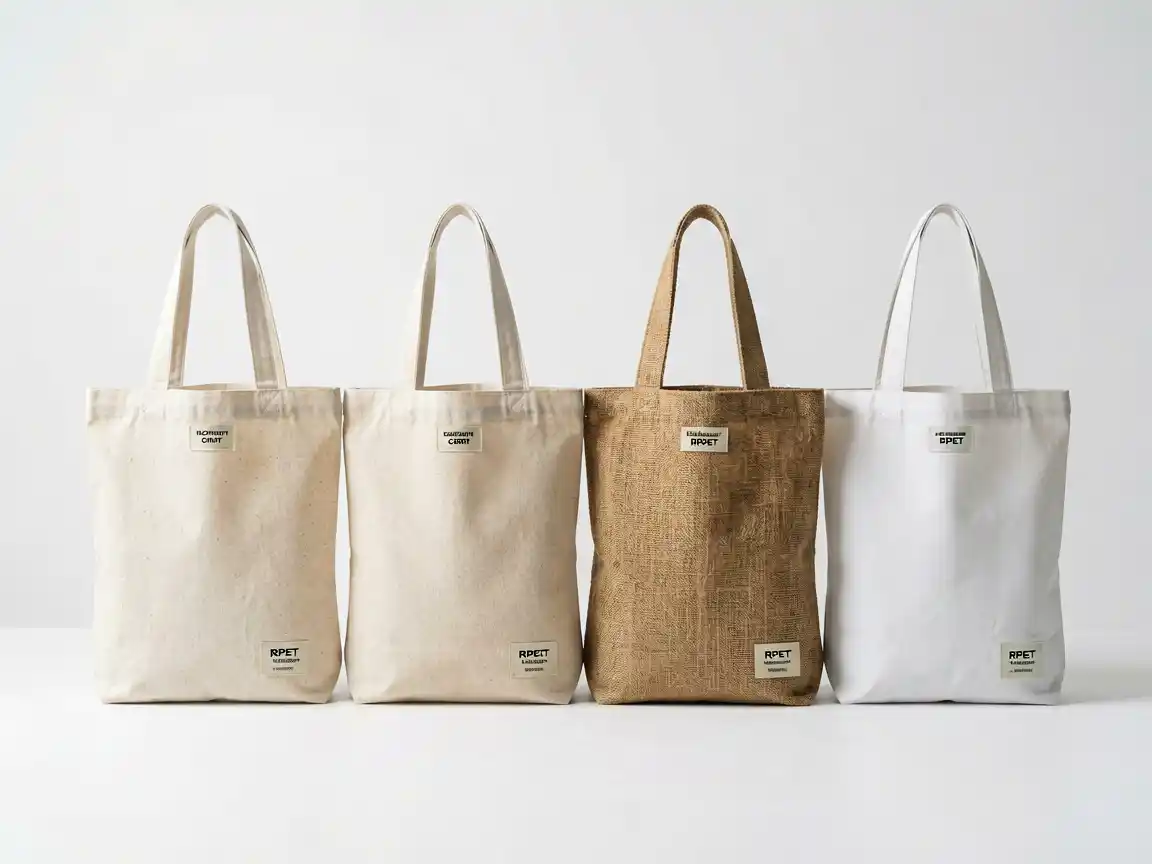
Canvas — The Heavy-Duty Workhorse
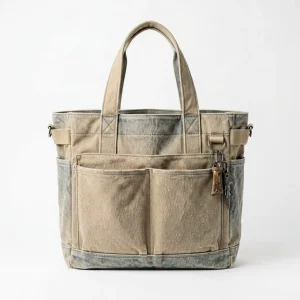
What it is: Thick, densely woven cotton fabric — essentially cotton’s stronger cousin. The weight and tight weave give it exceptional durability.
Pros: Extremely durable (5–8 years+), holds shape under heavy loads, ages beautifully with a patina, machine washable
Cons: Heavy (8–12 oz per bag), bulky to store, takes longer to dry, more expensive
Best for: Daily heavy use, grocery trips with heavy items, durable everyday carry, premium corporate gifts
Not ideal for: Travel/packing light, people who want a lightweight bag, tight storage spaces
Canvas vs Cotton: If you want structure and long-term durability, choose canvas. If you want lightweight and packable, choose standard cotton.
Jute — The Eco-Champion
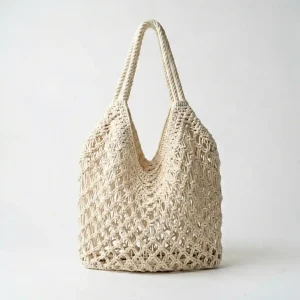
What it is: Natural plant fiber from the jute plant — a rustic, textured fabric with the lowest environmental footprint of any bag material.
Pros: Lowest environmental footprint of all options, 100% biodegradable in 1–3 months, carbon-negative crop (absorbs more CO₂ than it produces), unique natural aesthetic, very low water footprint
Cons: Rough texture (can snag delicate clothing), sheds fibers over time, limited color options (natural tones), not flexible/stretchy
Best for: Gift bags, farmers market totes, rustic/artisanal branding, environmentally-conscious consumers who prioritize biodegradability
Not ideal for: Carrying against delicate clothing, wet items, people who want a smooth look
RPET — The Recycled Plastic Solution
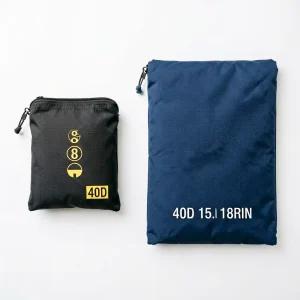
What it is: Fabric made from recycled PET plastic bottles. Each standard RPET grocery bag diverts 4–8 plastic bottles from landfills or oceans.
Pros: Diverts plastic from waste streams, water-resistant, lightweight yet strong, machine washable, quick-drying
Cons: Not biodegradable (though recyclable), can shed microplastics when washed, petroleum-origin (even if recycled), can pill over time
Best for: Grocery shopping, travel bags, outdoor use, heavy loads, wet/damp conditions
Not ideal for: Consumers who want 100% natural/biodegradable products, composting at end-of-life
RPET vs Cotton: RPET wins on durability, water resistance, and weight capacity. Cotton wins on biodegradability and natural feel. For heavy grocery loads, RPET is the practical winner.
Which Should You Choose?
Here’s a quick decision guide:
Pick THIS material IF you…
→ Cotton: Want an affordable, soft, everyday tote and don’t need heavy load capacity
→ Canvas: Want one bag that lasts 5–8 years and can handle heavy loads daily
→ Jute: Prioritize maximum eco-friendliness, love the natural look, and want something compostable
→ RPET: Need durability + water resistance + lightweight, especially for groceries and travel
→ Cotton: Want an affordable, soft, everyday tote and don’t need heavy load capacity
→ Canvas: Want one bag that lasts 5–8 years and can handle heavy loads daily
→ Jute: Prioritize maximum eco-friendliness, love the natural look, and want something compostable
→ RPET: Need durability + water resistance + lightweight, especially for groceries and travel
The Verdict: There’s No Single “Best” Material
The best approach is material matching — use the right material for the right job. A well-rounded reusable bag collection includes at least 2–3 materials:
- RPET bags for heavy grocery shopping
- Cotton totes for everyday carry and work
- Jute or canvas bags for special uses (gifts, heavy-duty daily use)
And remember: the greenest bag is the one you already own and use regularly. Don’t replace your existing bags — use them until they wear out, then choose the right material for your needs. Explore our full range of materials — and for a deeper dive, see non-woven vs woven vs RPET and cotton tote uses. →