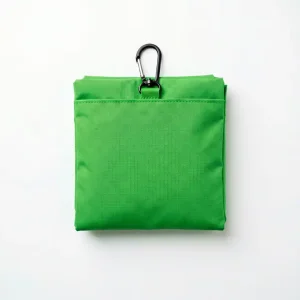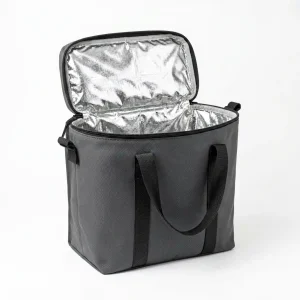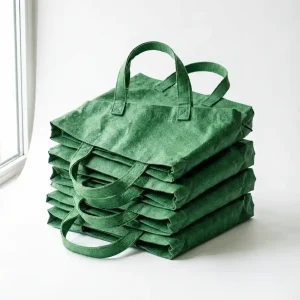
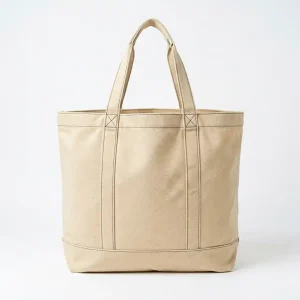
Plastic bag bans are spreading across states, counties, and cities in 2026 — and if you run a retail store, supermarket, restaurant, or any business that bags purchases, the change is already on your doorstep. Some ordinances are in effect; others are rolling out in phases. The good news: you don’t have to panic. With a clear picture of what your local rules allow and a shortlist of solid replacement bags, you can switch smoothly — and even turn the change into a branding win.
This guide covers the three decisions that matter most: understanding your local ordinance, choosing the right replacement bag, and setting up a fair bag fee. You’ll leave with a practical switching plan, not just another warning that “bans are coming.”
First, check your local ordinance
Before you order a single box of replacement bags, find out exactly what your jurisdiction bans — and what it permits. Regulations differ more than you might expect. Some areas ban only thin single-use plastic under a certain thickness (often 2.25 mils). Others restrict thicker “reusable” plastic film too. Many ordinances explicitly allow paper, but a growing number also require a fee on any bag the customer takes, paper included.
Three specifics to nail down:
- What’s banned: single-use plastic under a thickness threshold, all plastic film, or more?
- What’s allowed: paper, reusable woven or non-woven fabric bags, mesh produce bags — and are there minimum thickness or stitch requirements for “reusable” to count?
- Fee rules: is a per-bag fee required, optional, or capped? Does it apply to delivery orders?
Your best single source is the full breakdown in our 2026 compliance guide to eco-friendly bag laws for US businesses, which maps the rules state by state. And to see which states and cities are enforcing this year, start with our overview of plastic bag bans in the US for 2026. Check the text of your local ordinance directly, too — thickness thresholds and fee caps are often buried in the fine print, and they determine which bags you can legally offer.
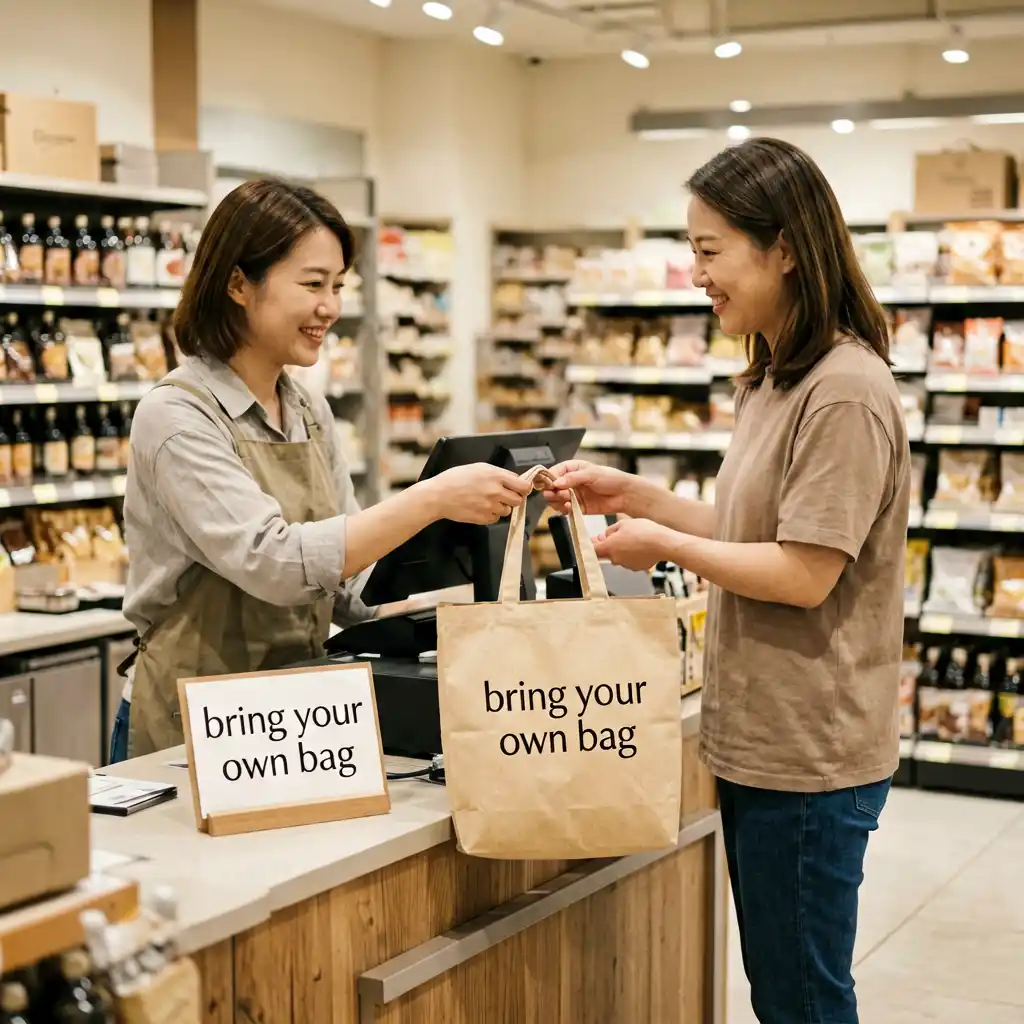
Replacement bag options compared
Once you know what’s allowed, the real work begins: picking the right bag for your volume, customers, and budget. There’s no single “best” option — the winner depends on what you sell, how heavy your typical order is, and whether the bag doubles as a walking billboard. Here’s how the main choices stack up for retail.
Reusable non-woven polypropylene (PP)
Non-woven PP bags are the workhorse of the retail switch. They’re lightweight, inexpensive at wholesale, and print beautifully with your logo — which is why supermarkets and pharmacies love them. They’re a genuine reusable non-woven bag customers will keep and reuse dozens of times, carrying 15–20 pounds of groceries comfortably. Downside: they’re less rigid than woven bags for heavy or oddly shaped loads. Best for: supermarkets, convenience stores, and high-volume retailers that want affordable, on-brand reusables.
Woven PP / cotton canvas
When you need serious strength — think hardware, bookstores, or anything with sharp or heavy items — woven polypropylene or cotton canvas steps up. These bags are sturdier, hold their shape, and last far longer, so they read as premium. The tradeoff is a higher per-bag cost. Best for: stores where load capacity and durability matter more than unit price.
Recycled PET (RPET)
RPET bags are made from recycled plastic bottles, giving them an instantly strong sustainability story for eco-conscious customers. They’re durable and water-resistant, and they photograph well for social media. The catch is cost — RPET runs higher than virgin non-woven, so it suits brands that want to lead with recycled credentials.
String and mesh bags
For produce and bulk sections, cotton string bags and reusable produce bags are the lightest, most breathable option — they weigh almost nothing, fold into a pocket, and are perfect for loose fruit and vegetables. They’re not the right choice for general checkout bagging, but they’re an excellent add-on at the register that reinforces your store’s zero-waste message.
Kraft paper
Paper remains the simplest compliant fallback where it’s allowed — recyclable, compostable, and familiar to every customer. But paper tears when wet and holds less weight than fabric. Keep a kraft option on hand for customers who forget their reusable bag and don’t want to buy one.
How to charge a bag fee without angering customers
In many jurisdictions, a per-bag fee isn’t just allowed — it’s required. The typical range is $0.08 to $0.10 per bag, and it’s the single most effective way to cut bag use at the register. Done right, customers barely notice; done clumsily, it becomes the complaint of the week. Here’s how to keep it clean.
- Post clear signage at the entrance and register — “By [date], single-use plastic bags are no longer provided. Reusable bags are $X; a $0.08 fee applies to paper.” Set expectations before the customer reaches the counter.
- Set it up in your POS as an automatic, itemized line item so it’s never skipped by an overwhelmed cashier. Test on a quiet shift first.
- Give staff one polite script — “Our reusable bags are $X and you’ll reuse them for years” — to steer customers toward the better choice.
- Don’t forget delivery platforms: if you take Uber Eats or DoorDash orders, configure the bag fee there too — many merchants forget and eat the cost on every third-party order. Look for a “bag fee” or “packaging surcharge” setting.
- Frame it as a positive with a small receipt note — “Fee supports our zero-waste transition.”
Where to buy replacement bags in bulk
Buying directly from a wholesale manufacturer instead of a middleman makes a real difference to your unit cost and customization options. Weigh these three things as you source.
- Minimum order and unit price: non-woven bags get dramatically cheaper per unit at higher volumes. Decide whether you want a short test run first or full volume on day one.
- Customization and lead time: if you want your logo printed on the bag — and you should, because reusable bags travel with customers for years — factor in design setup and production lead time.
- Compliance support: a good supplier should tell you which configurations meet thickness, stitch, and material rules in your market, so you don’t order 10,000 non-compliant bags.
Start with reusable grocery bags made to order for retail, and read more in our Trends hub for sizing your order and forecasting demand.
Make the switch your store’s advantage
A bag ban is a compliance deadline, but it’s also a moment to reinforce your brand. Every reusable bag your customer takes home is a mini billboard that keeps your name in front of them for months. Get the ordinance right, pick a bag that fits your load and price point, set a transparent, fair fee, and source from a wholesale partner who knows the rules.
Not sure which bag and fee model fits your operation? Talk to our wholesale team about custom reusable bags — tell us your store type, typical order sizes, and how many SKUs you’d like to cover, and we’ll spec a compliant, on-brand bag for your bottom line. Get in touch for a quote and lead time this week. For compliant retail options, see our BYOB playbook and reusable bags for pharmacies. bag-fee and BYOB playbook for charging without losing customers. kraft paper shopping bags, non-woven shopping bags, and recycled paper bags.