u/RetailOwner_CA asks in r/smallbusiness
We operate in 5 states — CA (full ban), NY ($0.05 fee per bag), WA (ban), OR (ban), and TX (no restrictions). How do other multi-state retailers manage bag compliance without a full-time person tracking regulations?
u/EnvironmentalLawyer (👍 56 points)
State bag laws are a patchwork and they’re changing every year. Here’s the current landscape as of mid-2026. Full plastic bag ban — switch to compostable paper bags to comply withs: California (2016), New York (2020), Oregon (2020), Washington (2021), Vermont (2020), Maine (2021), New Jersey (2022), Colorado (2024), Delaware (2024), Rhode Island (2023), Connecticut (2024), and several others. Paper bag fees ($0.05-$0.10): CA, NY, OR, WA, CO, NJ. Preemption states (state law overrides local ordinances, so you just follow one rule): Arizona, Florida, Idaho, Indiana, Iowa, Michigan, Mississippi, Missouri, North Dakota, South Dakota, Tennessee, Texas, and Wisconsin. The most practical approach is to have a baseline national policy that complies with the strictest state (currently CA or NJ) and then adjust for preemption states where no bag regulation exists. Many national retailers simply go 100% reusable nationwide and avoid the compliance headache altogether.
u/MultiStateRetailer (👍 40 points)
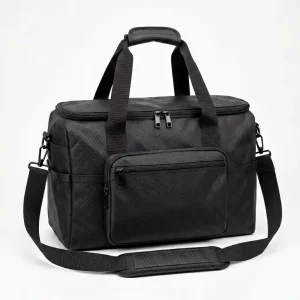
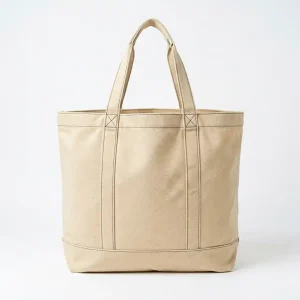
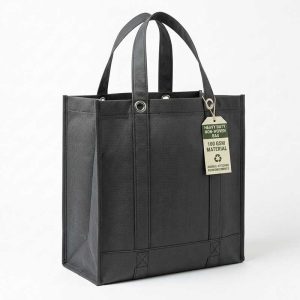
We run 80 retail stores across 12 states. Here’s our system. We use a unified bag policy: every store uses the same reusable bag program regardless of local laws. Why? Training 600+ employees on different bag rules by state creates chaos at the register. We sell reusable RPET bags at $0.99 at all locations. In states with bag bans, we don’t offer any plastic option. In states with fees, the $0.99 bag price replaces the need for a separate bag fee transaction. In states with no regulation (like TX and FL), we still offer only reusable bags — customers grumbled for 2 months then got used to it. The CFO calculated that a unified program actually costs less than managing 5 different bag setups, training materials, and compliance audits. The bags cost us $0.55 each and we sell about 300,000 a year — net profit of $132,000 from bag sales alone covers the program cost.
u/PolicyAnalyst_DC (👍 22 points)
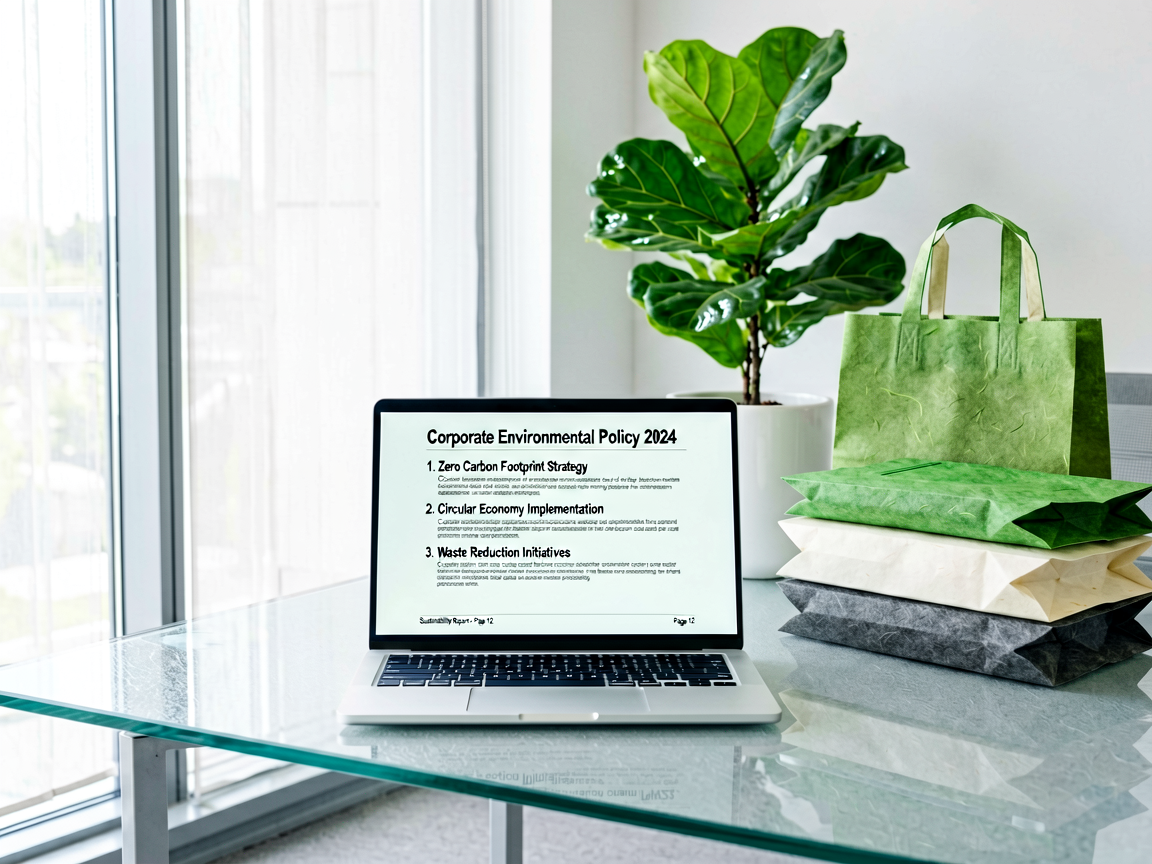
A few important 2026 developments. Several states are considering “extended producer responsibility” laws for packaging, which could affect bag manufacturers and importers. The Break Free From Plastic Pollution Act has been reintroduced at the federal level — if passed, it would create a national container deposit and packaging EPR program. Additionally, more states are moving from bag bans to bag fees (which generate revenue for environmental programs). I’d recommend: (1) Join the Retail Industry Leaders Association (RILA) for regulatory monitoring updates. (2) Set a Google Alert for “plastic bag ban [state name]” for each of your states. (3) Budget for bag compliance as a line item — $2,000-$5,000/year for tracking and legal review. (4) Designate one person as “compliance lead” even if it’s just a few hours per month. The cost of non-compliance (fines up to $10,000/day in some states) vastly exceeds the cost of tracking.
u/ShopperWhoPays (👍 13 points)
As a shopper who lives in a state with bag fees — I don’t mind paying $0.05-$0.10 for a paper bag, but what frustrates me is when stores don’t have reusable bags AVAILABLE at checkout. If you’re going to charge me for a bag, at least give me the option to buy a nice reusable one for $1. I’d rather spend $1 on a bag I’ll use 50 times than $0.10 on paper I’ll use once. The stores I love are the ones that have the reusable bags right at the register with clear signage, AND the cashier asks “Would you like to buy a reusable bag?” before I even have to ask. The stores I avoid are the ones that act like bag compliance is my problem instead of theirs.
u/StateRegulator (👍 9 points)
I work in state environmental compliance. Here’s what we actually check when we audit retailers for bag compliance. (1) Signage — is the bag law explained at checkout? Most states require clear signage about the bag fee or ban. (2) Fee collection — are you charging the required amount and remitting properly? In NY, the $0.05 fee goes to the state’s Environmental Protection Fund. (3) Bag quality — does your reusable bag meet the minimum durability standard? CA requires 125-use testing. We’ve fined retailers for selling bags that fell apart in testing. (4) Record keeping — maintain purchase orders and certificates of compliance from your bag manufacturer. I’d recommend keeping these in a single digital folder updated per order batch. Our state provides a compliance checklist on the environmental agency website — use it.
Key Takeaways for Multi-State Businesses
- Unified bag policy across all states is simpler and often cheaper than state-by-state compliance
- 11 states now have full plastic bag bans; more expected by end of 2027
- Sell reusable bags at $0.99-$1.49 to cover costs and generate positive customer response
- Maintain compliance folder with: state signage requirements, fee remittance records, bag supplier certificates
- Federal legislation could create national standards — monitor the Break Free From Plastic Pollution Act
- Appoint one compliance lead at 2-5 hours/month to track changing laws
Stock up on compliance-ready bags: View All Products →
Learn about bag material certifications: Read the Buying Guide →
Related Guides
Explore more B2B bag guides:
- Wholesale Reusable Bags
- Bulk Pricing Guide
- Custom Logo Guide
- Material Showdown
- Promo & Trade Show
- Supermarket Guide
- Restaurant Guide
- Corporate Gift Guide
- Wine Bag Guide
Related reading: packaging laws 2026 and US plastic bag bans.
Operational detail: our BYOB fee playbook and EPR laws 2026 guide cover charging and packaging liability. For retail carry, see pharmacy bags and boutique bags.