Why a Dedicated Wine & Insulated Bag Pays Off
Carrying a bottle of wine or a packed lunch in a generic tote invites disaster: broken glass, warm food, spilled drinks. Dedicated wine totes and insulated bags solve two distinct problems, protecting fragile bottles and holding temperature. Choosing the right one depends on what you carry and how long it stays in transit. The search phrase wine tote bag usually means someone is buying a gift or planning a picnic and needs confidence the bottle will arrive intact.
A standard tote has no padding and no temperature control, so a single bump can chip a bottle neck and an hour in a warm car can push wine past its ideal serving temperature. The small premium for a purpose-built bag is cheap insurance against a ruined gift or a food-safety issue.
Wine Tote Types
Single-Bottle
A single wine tote with padded dividers is the everyday host-gift carrier. Look for a rigid base so the bottle stands upright in the car, and a wipe-clean lining in case of drips. A printed single tote turns an ordinary bottle into a branded present that the recipient keeps long after the wine is gone.
Double-Bottle
Insulated neoprene wine sleeves, often sold as single or double, add a thermal layer that keeps wine at cellar temperature for short trips. Neoprene is flexible, machine-washable, and protects against minor bumps better than thin fabric. The sleeve also hides condensation that would otherwise soak a paper gift bag.
4–6 Bottle Bulk Carrier
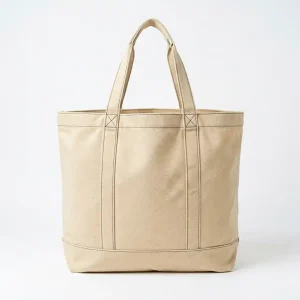
A 6-bottle canvas carrier is built for winery visits and corporate gifting, with reinforced handles, individual slots, and a box-style base that will not collapse under four kilograms of glass. Always check the handle stitching because this is where bulk carriers fail under repeated heavy loads.
Insulated Lunch & Grocery Bags
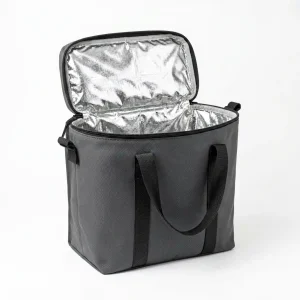
For food, an insulated lunch tote uses foil or neoprene lining to hold cold for two to four hours. A zipper insulated grocery cooler scales that up for the weekly shop. Neoprene is flexible and machine-washable; foil-lined is lighter but spot-clean only. For food safety, a closed zipper beats an open-top tote by hours of safe transit time.
Add a frozen gel pack and pre-chill the bag before a summer grocery run. The difference between five degrees and fifteen degrees in a car trunk is the difference between safe chicken and a refund, so the lining quality is not a luxury detail but a functional requirement.
Material Comparison Table
| Bag | Lining | Holds Temp | Best For |
|---|---|---|---|
| Single wine tote | Padded canvas | No | Gifts, short trips |
| Neoprene wine sleeve | Neoprene | 1–2 hrs | Picnics |
| 6-bottle carrier | Canvas + dividers | No | Winery, bulk |
| Insulated lunch tote | Foil/neoprene | 2–4 hrs | Daily lunch |
| Insulated grocery | Foil zip | 3–5 hrs | Shopping |
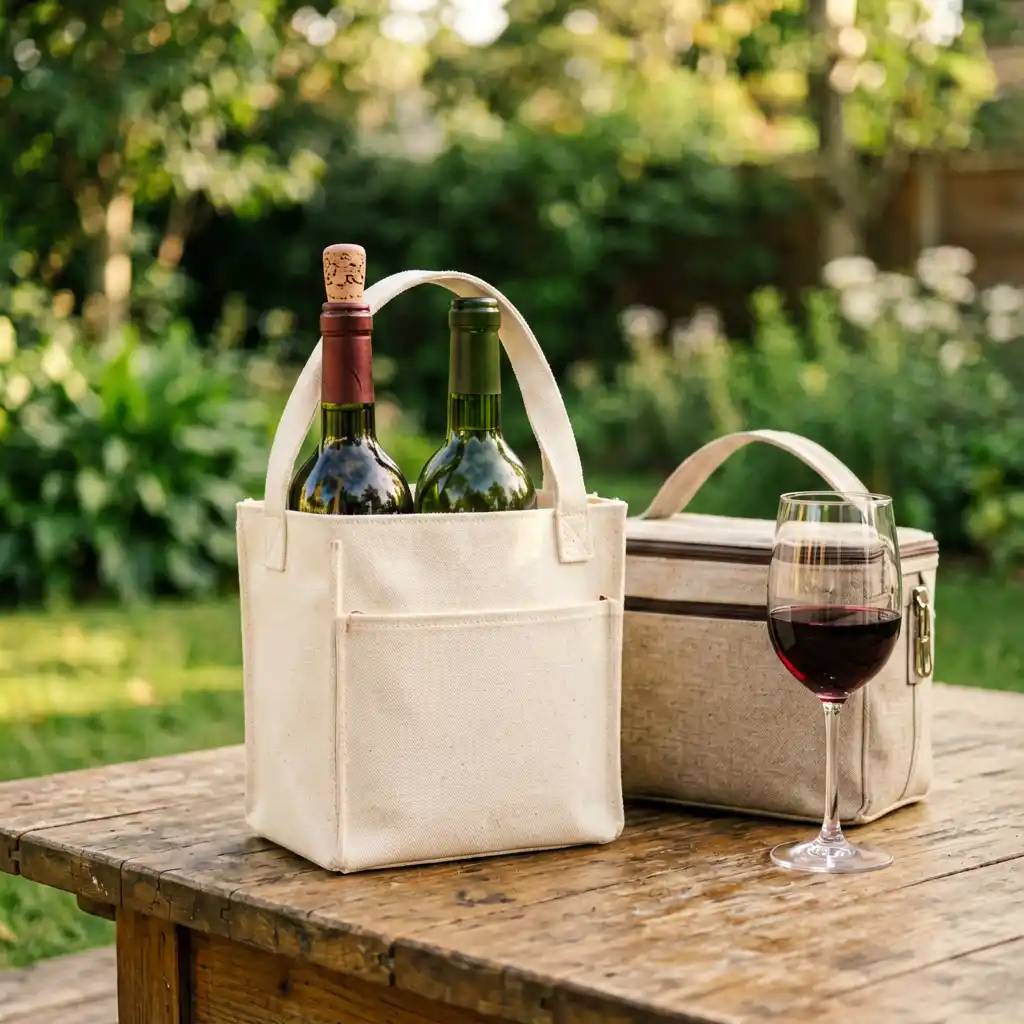
Use Cases: Gifting, Picnics, Grocery
- Gifting — a printed single wine tote turns a fifteen-dollar bottle into a branded present.
- Picnics — neoprene sleeve plus insulated lunch tote keeps the whole outing cold.
- Grocery — insulated cooler bags cut food-safety risk on the ride home.
For more on the wine retail angle, see our guide to reusable bags for wineries.
Temperature Math: How Long Is Long Enough?
A neoprene sleeve buys roughly sixty to ninety minutes of safe wine temperature on a warm day; an insulated zipper cooler with an ice pack extends that to half a day. For grocery runs in summer, pre-chill the bag and add a frozen gel pack because the difference between safe and unsafe is mostly about starting temperature, not just the lining.
How to Choose
Match lining to transit time: no lining for gifting, neoprene for an hour or two, foil-zip for the full grocery run. Businesses running tasting events should stock both single padded totes for takeaway and 6-bottle carriers for bulk purchase. Browse our wine and insulated range or contact our team for custom-printed options.
When sourcing custom versions, specify food-safe lining and a wipe-clean interior; wine drips and lunch spills are inevitable, and a lining that cannot be sanitized will fail the hygiene test within a month of real use.