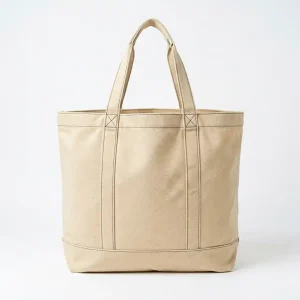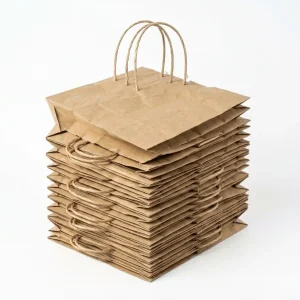
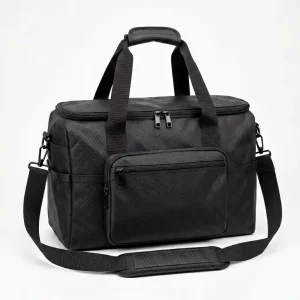
The Regulatory Landscape Is Shifting Fast — forcing businesses to switch to compostable paper bags and custom reusable produce bags
For restaurant and retail business owners, 2026 is a pivotal year. Extended Producer Responsibility (EPR) laws are taking effect in multiple states, plastic bag bans are spreading, and consumer expectations around sustainable packaging have never been higher.
If your business provides carryout bags, takeout containers, or packaging of any kind, you need to understand the new rules — or risk fines, lost customers, and reputational damage.
Plastic Bag Bans: What Businesses Need to Know
As of 2026, 12 US states have active plastic bag bans, with more on the way. But the rules vary significantly by state:
| State | Applies to Restaurants? | Bag Fee? | Reusable Bag Requirements |
|---|---|---|---|
| California | ✅ Yes | $0.10 paper | Must be designed for 125+ uses |
| New York | ❌ Exempt (some counties) | $0.05 paper (varies) | Stitched handles, washable |
| New Jersey | ✅ Yes | No paper allowed (large stores) | Must be reusable fabric |
| Washington | ✅ Yes | $0.08 recycled paper or reusable | Minimum 2.25 mil thickness |
| Oregon | ⚠️ Mostly exempt | No fee | No specific requirements |
| Colorado | ✅ Yes | $0.10 (retailer keeps fee) | Minimum 4 mil thickness |
⚠️ Key takeaway: Most state bans now require that any “reusable” bag meet specific criteria — stitched handles, minimum thickness, machine washable, and designed for 125+ uses. Thin “reusable” plastic bags are being phased out as a loophole.
Extended Producer Responsibility (EPR) Laws
EPR laws hold producers (including retailers and brand owners) responsible for the entire lifecycle of their packaging — including end-of-life disposal and recycling. Four states now have active EPR laws:
- Maine (effective 2024) — First state to pass EPR for packaging
- Oregon (effective 2025) — Requires producers to fund recycling programs
- Colorado (effective 2025) — Producers pay into a recycling fund based on packaging type
- California (effective 2026) — SB 54 requires all packaging to be recyclable or compostable by 2032
What this means for your business: If you use branded packaging (bags, boxes, containers), you may need to register with state EPR programs and pay fees based on the volume and type of packaging you distribute. The fees are higher for non-recyclable materials, incentivizing the switch to sustainable alternatives.
Consumer Demand Is Driving Change Faster Than Regulation
Beyond legal requirements, consumer expectations are shifting rapidly:
- 68% of consumers say they’re willing to pay more for products in sustainable packaging
- 55% of shoppers actively avoid businesses that use excessive plastic packaging
- 82% of millennials prefer to shop at businesses that offer reusable bag alternatives
- B2B buyers increasingly ask about sustainability credentials before placing wholesale orders
How to Make the Switch Cost-Effectively
Transitioning to compliant packaging doesn’t have to be expensive. Here’s a phased approach:
Phase 1: Audit Your Current Packaging (Immediate)
List every type of bag and packaging your business uses. Identify which items need to change based on your state’s regulations.
Phase 2: Switch to Compliant Reusable Bags (1-2 Months)
Replace single-use plastic bags with reusable options. The most cost-effective choices for businesses:
- Non-woven PP bags: $0.50–$1.50 each at wholesale — best for retail and grocery
- Compostable paper bags — best for eco-friendly retail and restaurant packaging
- RPET bags: $1.00–$3.00 each — best for premium brands and higher durability
- Custom produce bags — perfect for grocery stores, co-ops, and farmers markets
- Cotton canvas totes: $2.00–$5.00 each — best for branding and long-term reusability
Pro tip: Charge customers $0.50–$2.00 for branded reusable bags. Many businesses recover their cost within 3–6 months while getting ongoing advertising (your brand walks out the door on every customer’s arm).
Phase 3: Add Custom Branding (2-3 Months)
Custom-printed bags turn a compliance expense into a marketing asset. Screen printing is the most cost-effective for orders of 500+ units. Heat transfer works well for full-color designs. Learn about custom printing methods →
Phase 4: Communicate the Change (Ongoing)
Let customers know about your sustainability efforts:
- Add a sign explaining the bag policy at checkout
- Include a sustainability note on your website
- Train staff to explain why you’ve switched to reusable options
- Share the environmental impact on social media (e.g., “We’ve eliminated 50,000 plastic bags this month”)
The Business Case for Sustainable Packaging
This isn’t just about compliance — it’s smart business. Businesses that have switched to sustainable packaging report:
- 15–25% increase in positive brand perception
- 10–20% increase in repeat customers who cite sustainability as a factor
- Reduced costs over time as bag fees are offset by customer purchases of reusable bags
Ready to Make the Switch?
At Y Eco Bag, we specialize in wholesale custom reusable bags for businesses. Whether you need non-woven PP for grocery stores, cotton totes for retail boutiques, or RPET bags for travel brands — we can help you find the right solution for your needs and budget.
All our bags meet the 125+ use durability standard required by most state bag bans. And with custom printing available at MOQs as low as 500 units, you can turn compliance into branding.
Get a wholesale quote → | Custom printing guide — and for compliance context, read 2026 bag laws and US plastic bag bans. →
For packaging liability specifically, read our EPR packaging laws 2026 guide.