The Plastic Bag Ban Landscape in 2026
The movement to ban single-use plastic bags continues to accelerate across the United States. As of mid-2026, 12 states have statewide plastic bag bans in effect, driving demand for reusable grocery bags and non-woven shopper bags, with 3 more scheduled to take effect by the end of the year. Hundreds of local ordinances add additional restrictions in cities and counties without state-level laws.
For businesses, this means a rapidly changing regulatory landscape. For consumers, it means remembering reusable bags is no longer optional — it’s the law in many places.
States with Active Plastic Bag Bans (2026)
| State | Effective Date | What’s Banned | Bag Fee? |
|---|---|---|---|
| California | 2016 (original), expanded 2024 | All single-use plastic bags at retail | $0.10 paper bag fee |
| New York | 2020 | Single-use plastic carryout bags | $0.05 paper (some counties) |
| Hawaii | 2021 (de facto) | Plastic bags (all counties) | Varies by county |
| Oregon | 2020 | Thin plastic carryout bags | No |
| Washington | 2021 | Plastic carryout bags | $0.08 paper/reusable |
| Vermont | 2020 | Single-use plastic bags | $0.10 paper |
| Maine | 2021 | Plastic carryout bags | $0.05 paper (some) |
| Connecticut | 2021 | Single-use plastic bags | $0.10 paper |
| Delaware | 2021 | Plastic carryout bags | $0.05 paper |
| New Jersey | 2022 | Plastic and paper bags (groceries >2,500 sq ft) | No paper allowed either |
| Colorado | 2024 | Plastic carryout bags | $0.10 (retailer keeps fee) |
| Rhode Island | 2024 | Single-use plastic bags | $0.10 paper |
What Changed in 2025–2026
The last 18 months have seen several important developments:
- California updated its ban (2024): The original 2016 law had loopholes — “reusable” plastic bags that were actually just thicker single-use bags. The new law closes these loopholes and requires bags to be genuinely reusable.
- Maryland and Massachusetts: Both states have pending legislation that is expected to pass in 2026, extending the ban to nearly the entire Northeast.
- New Jersey’s strict approach: New Jersey remains the only state to ban both plastic AND paper carryout bags at large grocery stores, pushing all shoppers toward reusable options.
- Federal proposal: A federal “Break Free From Plastic” bill was reintroduced in Congress in early 2026 but remains stalled in committee.
What’s Coming in 2027
Several states have bans scheduled to take effect:
- Minnesota — Statewide ban effective January 2027
- Maryland — Expected ban effective mid-2027 (pending legislative approval)
- Massachusetts — Expected late 2027
- Michigan — Municipal bans expanding; state-level bill gaining traction
How Businesses Should Prepare
If you run a retail store, restaurant, or any business that provides carryout bags, here’s what you need to do:
- Know your local laws. State-level bans vary. Some exempt restaurants, some don’t. Some require a fee for paper bags, others don’t. Check your state’s specific requirements.
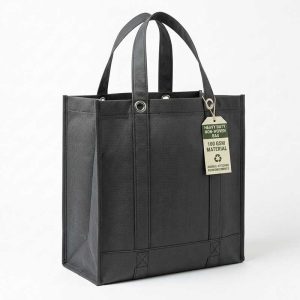
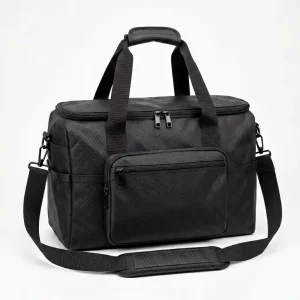
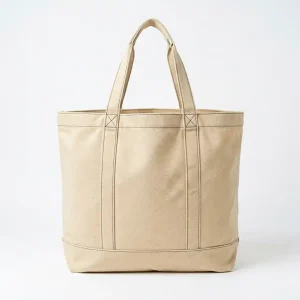
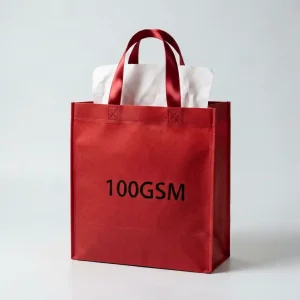
- Switch to compliant reusable bags. Many bans require that any non-paper bag must be “reusable” — meaning it must have stitched handles, be machine washable, and be designed for at least 125 uses. Our RPET recycled bags and non-woven shoppers meet these standards.
- Train your staff. Customers will ask questions. Your staff should know the local law and be able to explain it.
- Consider branded reusable bags. Charging $1–3 for a custom-branded reusable bag can turn a compliance cost into a marketing opportunity. Wholesale custom printing available →
- Prepare for enforcement. Some states (notably California and New Jersey) have begun actively enforcing bag ban laws with fines for non-compliant businesses.
The Impact So Far
Data from states with active bans shows impressive results:
- California: 72% reduction in plastic bag waste since 2016
- New York: Plastic bag usage down by an estimated 60%
- New Jersey: 80% reduction in single-use bag consumption
- Coliform and E. coli studies: Despite initial concerns, no measurable increase in foodborne illness linked to reusable bag use
The Bottom Line for 2026
Plastic bag bans are not a trend — they’re the new normal. With nearly a quarter of US states now banning single-use plastic bags and more joining every year, both businesses and consumers should transition to reusable options now, rather than waiting for their state’s law to take effect.
Ready to make the switch? Before you do, review 2026 bag-law compliance and our retail ban switch guide. Shop our wholesale reusable bags →