The Study That Went Viral
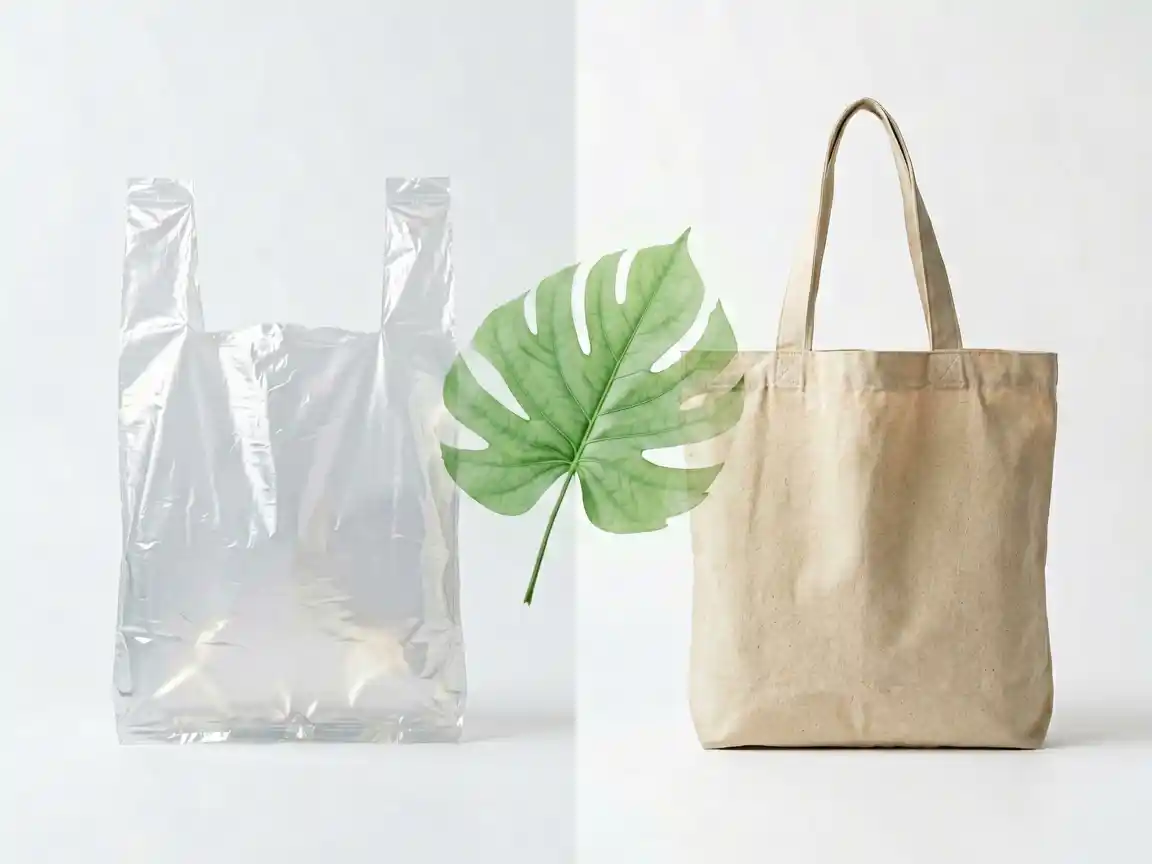
In 2018, a Danish Environmental Protection Agency study made headlines worldwide. Today, RPET recycled grocery bags and organic cotton canvas totes offer proven eco-friendly alternatives.: it claimed that a cotton tote bag needs to be used 20,000 times to have a lower environmental impact than a single-use plastic bag. The media ran wild. Suddenly, eco-conscious shoppers were questioning whether their reusable bags were doing more harm than good.
But here’s the thing — that number has been wildly misinterpreted. Let’s break down what the study actually said, where the media got it wrong, and why reusable bags remain one of the most effective everyday eco-choices you can make.
What the Danish Study Actually Found
The study compared the full lifecycle impacts of different bag types — including raw material extraction, manufacturing, transport, and disposal. It used a methodology called Life Cycle Assessment (LCA), which counts everything from water usage to carbon emissions to ecotoxicity.
Here’s what it really found for various bag types vs. conventional HDPE plastic bags (the thin single-use ones):
| Bag Type | Uses Needed to Break Even |
|---|---|
| Paper bag | 43 uses |
| Non-woven PP (reusable plastic) | 52 uses |
| Conventional cotton tote | 7,100 uses |
| Organic cotton tote | 20,000 uses |
Wait — 20,000? That matches the headlines, right? But here’s where context matters: the study assumed an extremely conservative weighting for the environmental impact of plastic bag litter. It essentially treated plastic bag pollution as a minor issue, while counting every drop of water used to grow organic cotton against the bag.
The 3 Big Problems With That 20,000 Number
1. It assumes plastic bag litter has near-zero impact
In the Danish study’s model, the litter and ocean pollution caused by plastic bags was given very low weight. But plastic bags are among the top 10 items found in ocean cleanups, kill 100,000+ marine animals annually, and take 400+ years to decompose. If you factor in the true cost of plastic pollution — which the study deliberately did not — the break-even number drops dramatically.
2. It treats all cotton the same
The 20,000-use figure is specifically for organic cotton grown in water-scarce regions. Conventional cotton came in at 7,100 uses. RPET (recycled plastic bottles) needs just 11 uses. Non-woven PP needs 14. The 20,000 figure is the worst case — not the average.
3. It ignores what actually happens in the real world
The study measures the break-even point in the lab, not in real-world waste systems. But we know that less than 1% of plastic bags are recycled. Most end up in landfills, oceans, or as litter. A reusable bag used 500 times — even a cotton one — prevents 500 plastic bags from entering the waste stream. That’s a win by any measure.
The Real Break-Even Numbers (More Accurate Version)
Multiple subsequent studies and meta-analyses have produced more realistic numbers. Here’s a practical breakdown:
| Bag Material | Realistic Break-Even | Typical Lifespan | Net Benefit |
|---|---|---|---|
| Non-woven PP | 14–52 uses | 100–300 uses | ✅ 5-20× better |
| RPET (recycled polyester) | 11–35 uses | 500–800 uses | ✅ 15-70× better |
| Conventional cotton | 131–7,100 uses* | 500–1,000 uses | ✅ 1-8× better |
| Organic cotton (rain-fed) | 73–5,000 uses* | 500–1,000 uses | ✅ 2-14× better |
| Jute / Hemp | 21–400 uses | 300–500 uses | ✅ 5-20× better |
* The wide range depends on whether you include plastic pollution impact. Including it dramatically lowers the break-even point.
So… Are Reusable Bags Worth It?
Unequivocally yes. But with one crucial caveat: you have to actually reuse them.
The worst environmental outcome is buying a reusable bag and using it only a handful of times — or worse, never. A cotton tote that’s only used 10 times before being tossed is genuinely worse than using 10 single-use plastic bags.
But the typical reusable bag user gets hundreds to thousands of uses from each bag. At that rate, every material — even organic cotton — delivers a net environmental benefit.
How to Maximize Your Reusable Bag Impact
- Choose RPET or non-woven PP for grocery shopping — lowest break-even, highest durability per dollar
- Choose organic cotton or jute if biodegradability at end-of-life is your priority
- Use each bag at least 50–100 times — that’s about 3–6 months of weekly shopping
- Don’t keep buying new bags — the greenest bag is the one you already own
- When a bag wears out, recycle or repurpose it — don’t throw it in the trash
The Bottom Line
Yes, the 2018 study was technically correct in its narrow methodology. But taking its 20,000-use figure as a reason to abandon reusable bags is like saying “electric cars are worse than gas cars because battery production is dirty” — it ignores the lifetime benefits of the alternative.
Reusable bags — especially RPET and non-woven options — are dramatically better for the environment than single-use plastic when used regularly. And even cotton bags, despite their higher manufacturing footprint, pay back their environmental debt within a year of weekly use.
So keep your reusable bags. Use them. Wash them. And when they finally wear out, recycle them and buy another. Every use after the break-even point is pure environmental profit. For more on longevity, see our guides to the 7,000 uses of a cotton tote and recycling bags at end of life.
Looking for quality eco-friendly bags that last? Browse our collection →
For the regulatory side, see EPR laws 2026 and paper vs reusable vs compostable.