The Scale of the Problem
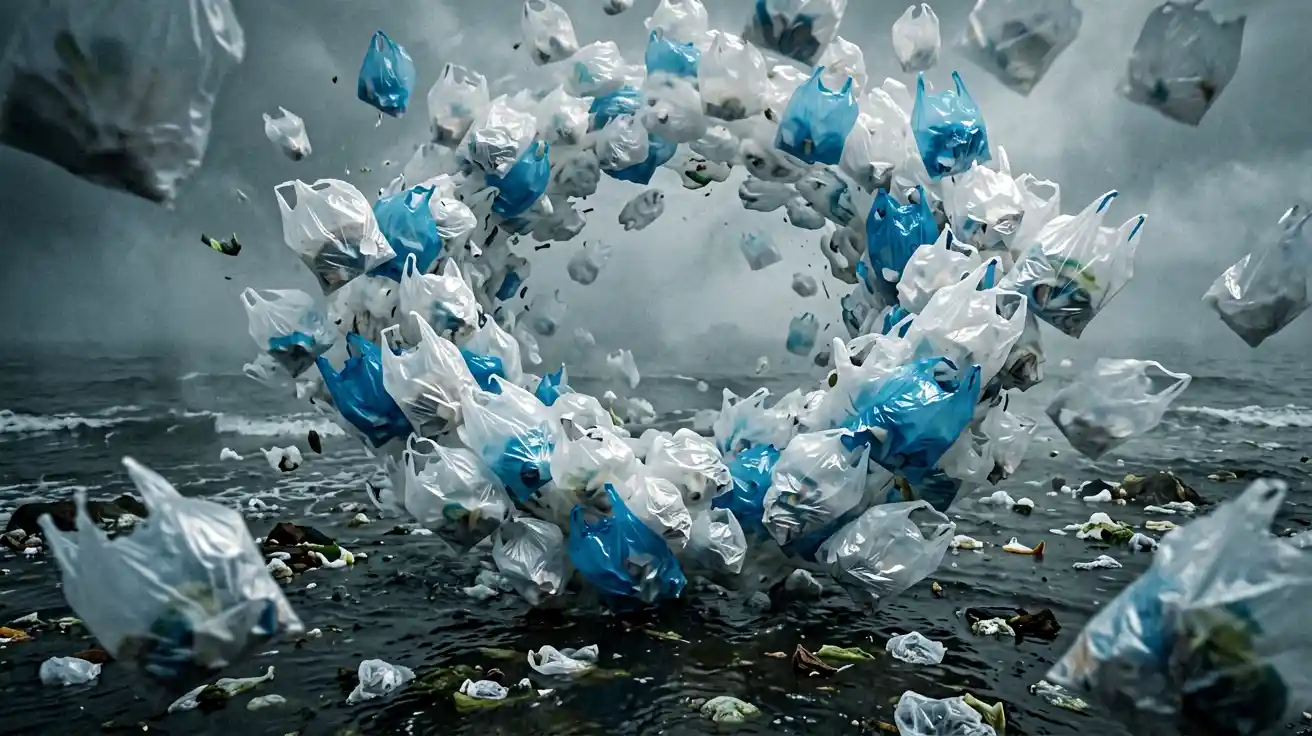
Every year, the world produces approximately 5 trillion plastic bags. That’s about 160,000 bags per second. The average plastic bag is used for just 12 minutes, yet it persists in the environment for 400–1,000 years. Less than 1% of plastic bags are recycled — the rest end up in landfills, oceans, or as litter.
Plastic bags are among the top 10 items found in ocean cleanups globally, and they kill an estimated 100,000 marine animals annually through ingestion and entanglement.
Environmental Impact by Material
| Bag Type | Carbon Footprint (kg CO₂ per bag) |
Water Usage (liters per bag) |
Decomposition Time | Recyclable? |
|---|---|---|---|---|
| Single-use plastic (HDPE) | 0.04 | 0.5 | 400–1,000 yrs | Technically yes, rarely done |
| Paper bag | 0.08 | 5.5 | 2–5 months | ✅ Widely recyclable |
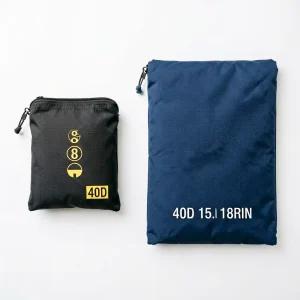
| Non-woven PP (reusable) | 0.25 | 1.2 | 20–30 yrs | ✅ PP #5 |
| RPET (recycled) | 0.18 | 0.8 | 20–30 yrs | ✅ PET #1 |
| Conventional cotton | 1.8 | 1,200 | 1–5 months (biodegrades) | ❌ (but compostable) |
| Organic cotton | 1.0 | 110 | 1–5 months (biodegrades) | ❌ (but compostable) |
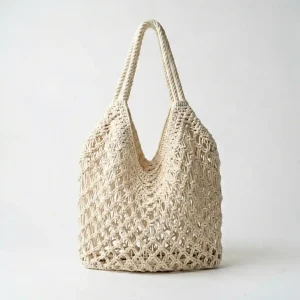
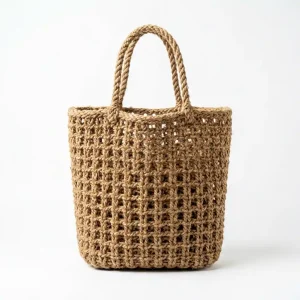
| Jute / Hemp | 0.3 | 30 | 1–3 months (biodegrades) | ❌ (but compostable) |
🔑 Looking only at “per bag” numbers is misleading. A cotton bag has a much higher initial footprint than plastic — but it replaces hundreds or thousands of plastic bags over its lifetime. The real metric is impact per use.
The Break-Even Point — How Many Uses to Win?
This is the most important question: how many times do you need to use a reusable bag before it becomes better for the environment than single-use plastic?
| Reusable Bag Material | Uses Needed to Break Even (vs single-use HDPE plastic) |
Typical Lifespan Uses | Times Better Than Plastic |
|---|---|---|---|
| Non-Woven PP | 14 uses | 100–300 | ~15× |
| RPET (Recycled) | 11 uses | 500–800 | ~55× |
| Conventional Cotton | 131 uses | 500–1,000 | ~5× |
| Organic Cotton | 73 uses | 500–1,000 | ~10× |
| Jute / Hemp | 21 uses | 300–500 | ~18× |
💡 The bottom line: A typical reusable bag used at least weekly will “pay back” its environmental cost in 2 months to 2.5 years, depending on material — then deliver net environmental savings for the rest of its life. Cotton takes the longest to break even, but lasts the longest. RPET breaks even fastest.
Paper vs Plastic vs Reusable
Paper bags are often perceived as the “eco-friendly” default — but they have their own issues:
- Paper bags use 4× more energy to manufacture than plastic bags
- They require 11× more water than plastic bags
- They’re 5–7× heavier, meaning higher transport emissions
- They can only be reused 2–4 times before tearing
- They biodegrade quickly — but that only matters if composted, not landfilled
The hierarchy, from worst to best: Single-use plastic → Paper (if used once) → Paper (reused multiple times) → Reusable non-woven → Reusable RPET → Reusable organic cotton
The Microplastics Factor
Synthetic reusable bags (RPET, non-woven PP) shed microplastic fibers when washed — similar to synthetic clothing. This is a genuine concern, but must be weighed against the massive reduction in macro-plastic waste (5,000+ plastic bags avoided per reusable bag).
⚠️ Mitigation: Wash synthetic reusable bags in a microfiber capture bag (like Guppyfriend). This captures 90%+ of shed fibers. Or choose natural fiber bags (organic cotton, jute) if microplastics are your primary concern.
The Verdict
Reusable bags are unequivocally better for the environment — if you actually reuse them. The worst environmental outcome is buying reusable bags and not using them (or using them only a handful of times). The key habits:
- Keep bags in your car/by the door so you remember them
- Buy quality — a well-made bag lasts years, a cheap one fails fast
- Use each bag for its purpose — produce bags for produce, totes for groceries
- Wash and maintain — clean bags get used more
- When a bag wears out, recycle synthetic ones, compost natural ones