Why Material Choice Matters
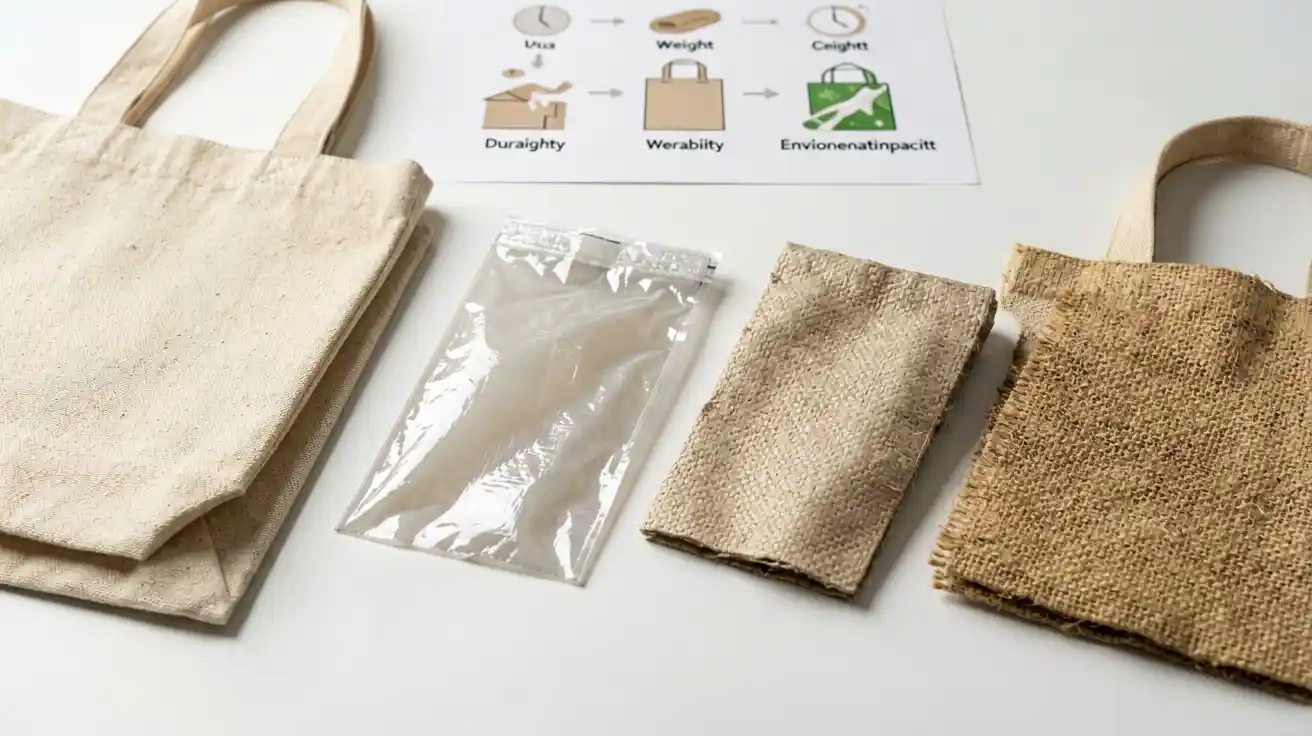
The material a reusable bag is made from determines everything: how long it lasts, how much weight it can hold, its environmental footprint, how it feels, and how it looks. Choosing wrong means a bag that fails early or doesn’t suit your use case. This guide breaks down every major material in detail.
1. Conventional Cotton
Standard cotton fabric — soft, breathable, and natural. Widely used for tote bags and shopping bags.
| Pros | Cons |
|---|---|
| ✅ Biodegradable and renewable ✅ Softens with use ✅ Good print surface ✅ Affordable |
❌ High water usage in farming ❌ Pesticide-heavy (conventional) ❌ Shrinks if hot-washed ❌ Stains easily |
2. Organic Cotton
GOTS-certified organic cotton grown without synthetic pesticides or GMOs. Premium eco-credentials.
| Pros | Cons |
|---|---|
| ✅ 91% less water than conventional ✅ No toxic pesticides ✅ Softer, hypoallergenic ✅ Fully compostable |
❌ 30–50% more expensive ❌ Slightly less durable initially ❌ Lower yield per acre |
💡 Organic vs Conventional Cotton: Organic cotton uses ~91% less blue water and creates 46% less CO2. The price premium buys genuine environmental benefit.
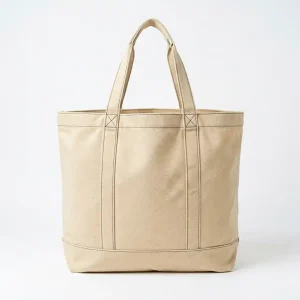
3. Cotton Canvas
Canvas is thick, tightly-woven cotton — essentially a heavier grade of the same material.
| Pros | Cons |
|---|---|
| ✅ Extremely durable (5–8+ years) ✅ Holds shape under load ✅ Ages beautifully ✅ Machine washable |
❌ Heavier (8–12 oz per bag) ❌ Bulky to store ❌ More expensive ❌ Long drying time |
💡 Canvas vs Cotton Tote: Canvas IS cotton — just woven thicker and tighter. If you want structure and long-term durability, go canvas. If you want lightweight and packable, go standard cotton.
4. RPET (Recycled PET)
Fabric made from recycled plastic bottles. Polyester-replacement with strong eco-story.
| Pros | Cons |
|---|---|
| ✅ Diverts plastic from landfill ✅ Extremely durable and tear-resistant ✅ Water-resistant ✅ Lightweight yet strong ✅ Machine washable |
❌ Microplastic shedding when washed ❌ Not biodegradable ❌ Petroleum-origin (though recycled) ❌ Can pill over time |
⚠️ RPET vs Cotton: RPET wins on durability and water resistance. Cotton wins on biodegradability and natural feel. For heavy grocery loads, RPET is often the better practical choice. For pure eco-values, organic cotton edges ahead.
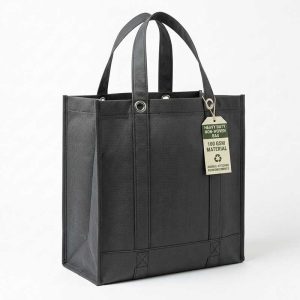
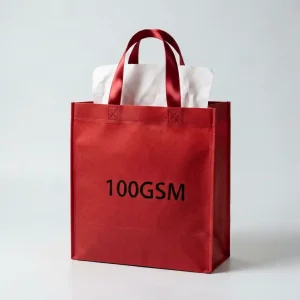
5. Non-Woven Polypropylene (NWPP)
Bonded polypropylene fibers creating a fabric-like sheet. The most common reusable bag material globally.
| Pros | Cons |
|---|---|
| ✅ Most affordable reusable option ✅ Water-resistant ✅ Good print surface ✅ Lightweight ✅ Recyclable (PP #5) |
❌ Shorter lifespan (2–4 years) ❌ Petroleum-based ❌ Can delaminate if laminated ❌ Looks cheaper than fabric |
💡 Non-Woven PP vs Cotton: NWPP costs ~70% less but lasts ~50% as long. For bulk promotions and retail where cost-per-unit is key, NWPP is the smart choice. For personal long-term use, cotton is better value over time.
6. Jute & Hemp
Natural plant fibers with a rustic, textured appearance. Traditionally used for sacks, now popular for eco-bags.
| Pros | Cons |
|---|---|
| ✅ 100% biodegradable ✅ Very low water footprint ✅ Carbon-negative crop ✅ Unique natural aesthetic |
❌ Rough texture (can snag clothes) ❌ Sheds fibers ❌ Limited color options ❌ Less flexible/stretch |
💡 Jute vs Cotton: Jute has the lowest environmental footprint of all natural fibers. But it’s rougher and less versatile. Perfect for rustic/gift/promotional bags; less ideal for daily grocery use against delicate clothing.
7. Kraft Paper
Kraft paper is made from wood pulp processed through the kraft chemical pulping process, producing a strong, brown paper that is 100% biodegradable and recyclable. Widely used for retail bags, takeout packaging, and promotional carry bags. Not a fabric bag, but an essential eco-friendly packaging alternative.
| Pros | Cons |
|---|---|
| ✅ 100% biodegradable & compostable ✅ FSC-certified renewable source ✅ Excellent print surface ✅ Low cost per unit ✅ Recyclable (paper stream) |
❌ Single-use / limited reuse (2–5×) ❌ Not water-resistant (unless coated) ❌ Tears under heavy loads (>15 lbs) ❌ Bulky to store vs fabric bags |
💡 When to choose Kraft Paper over Fabric: If you need a low-cost, branded carry bag for retail/takeout where customers won’t return it — paper is ideal. Fabric wins for bags customers keep and reuse for years. Many businesses now offer both: kraft paper for takeout, canvas totes as premium merch.
| Material | Lifespan | Water Resist | Eco Score | Cost/Bag | Best Use Case |
|---|---|---|---|---|---|
| Organic Cotton | 5–7 yrs | ❌ | 🟢🟢🟢 | $8–20 | Premium eco-totes |
| Canvas | 5–8 yrs | ❌ | 🟢🟢 | $6–15 | Daily heavy use |
| Conventional Cotton | 3–5 yrs | ❌ | 🟢 | $3–8 | Everyday totes |
| RPET | 4–6 yrs | ✅ | 🟢🟢 | $4–10 | Heavy grocery loads |
| Non-Woven PP | 2–4 yrs | ✅ | 🟢 | $0.50–3 | Bulk promos, retail |
| Jute/Hemp | 3–5 yrs | ❌ | 🟢🟢🟢 | $4–12 | Gifts, rustic aesthetic |
| Kraft Paper | 1–5 uses | ❌ | 🟢🟢🟢 | $0.15–0.80 | Retail, takeout, bakery |
| Cotton Mesh | 2–4 yrs | N/A | 🟢🟢 | $1–5 | Produce bags |
Still have questions about which material fits your needs? Reach out — we’re happy to help.